
Discovering the Gut Benefits of Sourdough: A Journey to Better Gut Health with Sourdough

If you’ve ever bitten into a warm slice of sourdough bread, you know it’s something special. That tangy flavor, the chewy crust, and the soft, airy crumb make it a favorite for many. But beyond its delicious taste, sourdough has some fascinating benefits for your gut health. Today, I want to share what I’ve learned about the gut benefits of sourdough and why it might just deserve a spot in your daily diet.
This post may contain affiliate links. If you purchase through these links, I may earn a small commission at no extra cost to you.
Why Gut Health with Sourdough Matters
Gut health is a hot topic these days, and for good reason. Our digestive system is home to trillions of bacteria that play a crucial role in everything from digestion to immune function. When your gut is happy, you feel better overall, more energy, better mood, and even clearer skin.
Sourdough bread is unique because it’s made through a natural fermentation process involving wild yeast and lactic acid bacteria. This process not only gives sourdough its signature tang but also transforms the bread into something easier on your digestive system. The fermentation breaks down gluten and phytic acid, which can be tough for some people to digest.
Here’s why I think sourdough is a gut-friendly superstar:
Pre-digestion of gluten: The fermentation partially breaks down gluten, making it easier to digest.
Lower phytic acid: Phytic acid can bind minerals and reduce their absorption. Sourdough fermentation reduces this compound, helping your body absorb more nutrients.
Beneficial bacteria: The lactic acid bacteria in sourdough can support a healthy gut microbiome.
If you’re curious about how to incorporate this into your life, I’ve found that choosing artisan sourdough bread or even baking your own can be a rewarding way to support your gut health.
👉 If you're starting from scratch, a good glass sourdough starter jar and a digital kitchen scale make the process so much easier and more consistent.
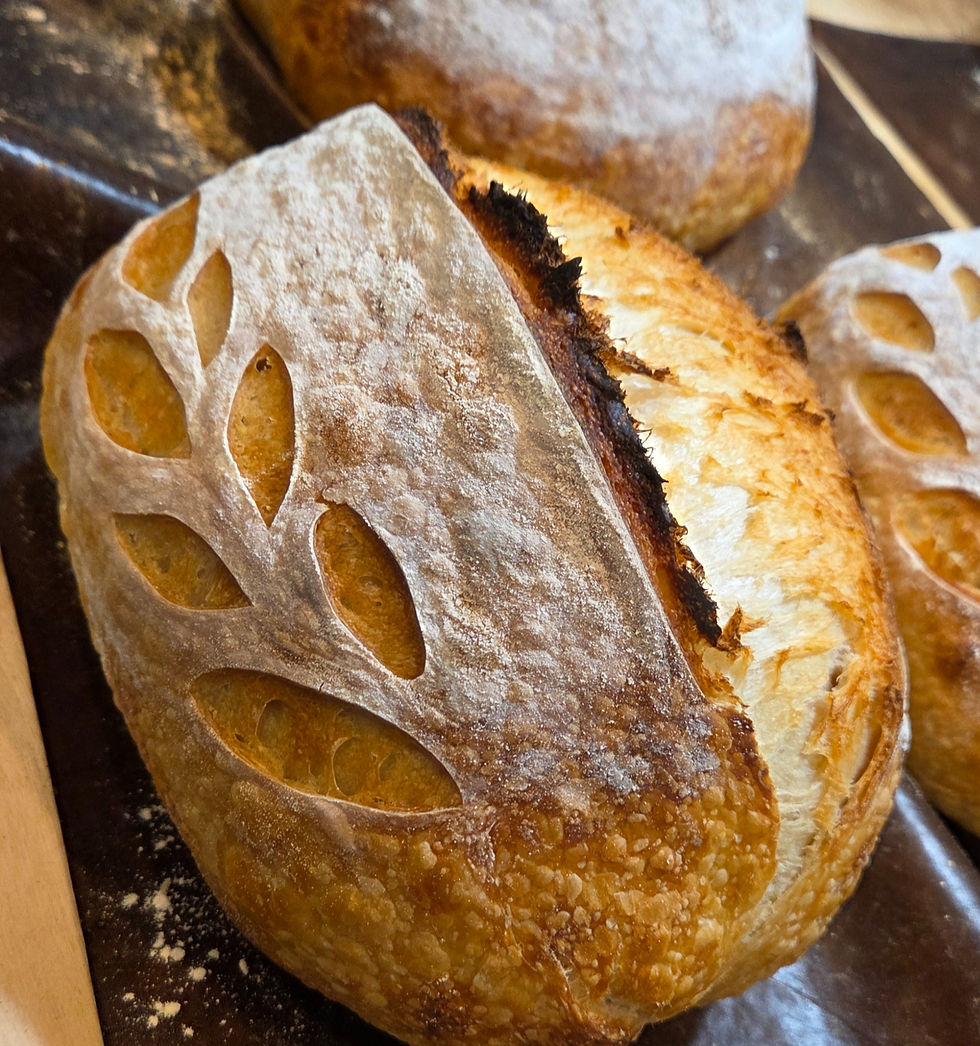
Exploring Gut Health with Sourdough: What Science Says
I love digging into the science behind food, and sourdough is no exception. Studies have shown that sourdough fermentation can improve the digestibility of bread and reduce compounds that cause bloating or discomfort. For example, the lactic acid bacteria produce enzymes that break down complex carbohydrates and gluten proteins.
One study found that people who ate sourdough bread experienced less digestive discomfort compared to those who ate regular bread. This is great news for anyone who’s sensitive to wheat but not necessarily gluten-intolerant.
Another fascinating aspect is how sourdough fermentation increases the availability of certain nutrients like B vitamins and minerals such as magnesium and zinc. These nutrients are essential for maintaining a healthy gut lining and supporting immune function.
If you’re looking to boost your gut health naturally, sourdough bread is a delicious and practical choice. Plus, it’s a great way to enjoy bread without the guilt or discomfort that sometimes comes with processed varieties.

Is Sourdough Good for People with High Cholesterol?
This is a question I get asked a lot. While sourdough bread itself isn’t a magic bullet for cholesterol, it can be part of a heart-healthy diet. The fermentation process produces compounds that may help improve lipid profiles.
Some research suggests that the lactic acid bacteria in sourdough can help reduce LDL cholesterol (the "bad" cholesterol) by influencing how your body metabolizes fats. Additionally, sourdough bread often has a lower glycemic index compared to regular bread, which means it causes a slower rise in blood sugar. Stable blood sugar levels are important for managing cholesterol and overall heart health.
Of course, sourdough bread should be enjoyed as part of a balanced diet rich in fruits, vegetables, whole grains, and healthy fats. If you’re managing high cholesterol, pairing sourdough with nutrient-dense toppings like avocado, nut butters, or lean proteins can make your meals both tasty and heart-smart.
How to Choose or Make Sourdough for Maximum Gut Benefits
Not all sourdough is created equal. To get the most gut benefits, look for bread that is:
Made with a natural starter: This means it’s fermented with wild yeast and bacteria, not commercial yeast.
Slow-fermented: Longer fermentation times (12-24 hours) allow for better breakdown of gluten and phytic acid.
Minimal ingredients: Ideally just flour, water, salt, and starter—no additives or preservatives.
If you’re feeling adventurous, making your own sourdough at home can be a fun project. It’s surprisingly simple once you get the hang of it, and you can control the fermentation time to suit your taste and gut needs.
Here are some tips for baking your own gut-friendly sourdough and some blogs that can help.
Start a sourdough starter: Mix flour and water and let it ferment for several days until bubbly.
Feed your starter regularly: This keeps the wild yeast and bacteria active.
Use whole grain flours: These add fiber and nutrients that support gut health.
Allow a long fermentation: The longer the dough ferments, the more gut-friendly it becomes.
Bake with care: A hot oven and steam help create that perfect crust and texture.
👉 A few tools I personally recommend if you're baking at home:
Cast iron Dutch oven for that perfect crust
Proofing baskets (bannetons) for shaping
Bread lame/scoring tool for clean, beautiful scoring
Bench scraper to make handling dough easier
If baking isn’t your thing, seek out local bakeries that specialize in traditional sourdough. Supporting artisan bakers not only gets you great bread but also helps keep this wonderful craft alive.
Incorporating Sourdough into Your Daily Routine
I know life gets busy, but adding sourdough to your meals can be simple and enjoyable. Here are some ideas to get you started:
Breakfast: Toast a slice and top with almond butter and banana slices.
Lunch: Make a sandwich with fresh veggies, hummus, and your favorite protein.
Snack: Enjoy sourdough crackers with cheese or a homemade dip.
Dinner: Serve alongside soups or stews for a comforting meal.
👉 If you love toast like I do, a good bread knife makes a huge difference in slicing without squishing your loaf.
Remember, moderation is key. While sourdough is healthier than many breads, it’s still important to balance your diet with plenty of fruits, vegetables, and whole foods.
Embracing the Joy of Real, Wholesome Sourdough
For me, sourdough is more than just bread. It’s a connection to tradition, a celebration of natural fermentation, and a delicious way to nurture my body. Sharing this with others has been a joy, and I hope you’ll find the same pleasure in discovering the gut benefits of sourdough.
Whether you’re baking at home or picking up a loaf from a local bakery, savor the process and the flavors. Your gut will thank you, and so will your taste buds!
Happy baking and happy gut!
If you enjoyed this post, stay tuned for upcoming baking classes and tips from Bread and More, where we celebrate the art and health of real sourdough bread.
About the Baker

Hi, I'm Jenny, the baker behind Bread and More. I run a small microbakery where I bake sourdough breads, bagels, and baked goods for my community.
Here on the blog I share sourdough tips, baking lessons I've learned along the way, and simple guidance to help home bakers feel more confident baking sourdough.


Comments